
Introduction
When I first stumbled upon the tale of the Orphan Train, I was genuinely taken aback by the depth and complexity of this true story. A piece of history not often spoken about, the Orphan Train movement sheds light on the early child welfare actions in the United States, revealing the journeys and fates of thousands of displaced children.
1. What Was the Orphan Train?
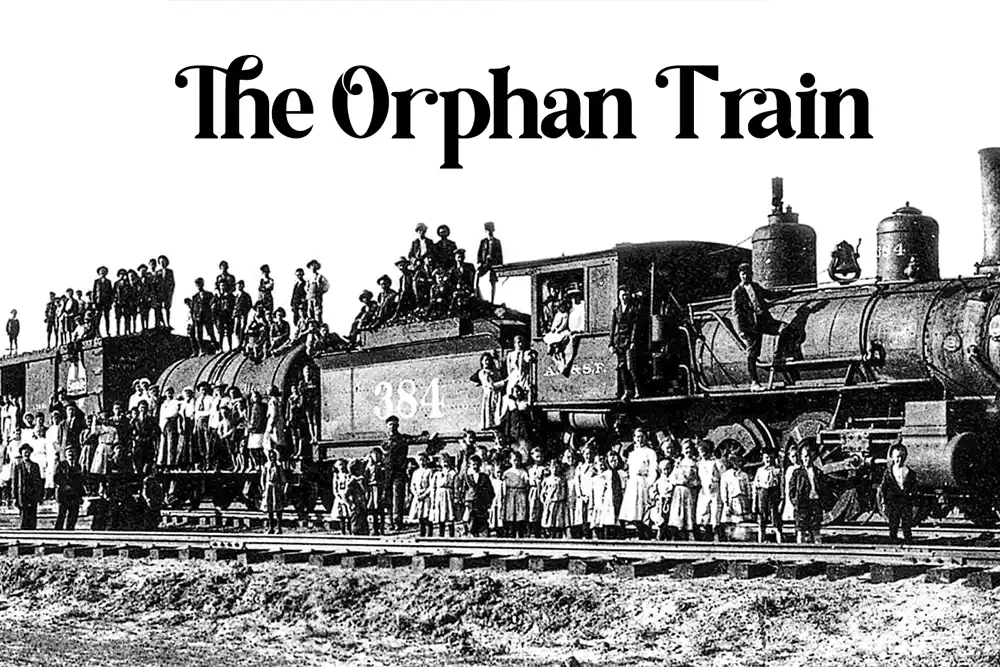
The Orphan Train was a social service program that operated between 1854 and 1929. Its purpose was to transport orphaned and homeless children from crowded Eastern cities, particularly New York City, to foster homes located primarily in the rural Midwest. The Children's Aid Society and later the Foundling Hospital spearheaded these efforts under the belief that children would benefit from the fresh air, open spaces, and the opportunity for hard labor offered by rural living.
2. Unveiling the True Story
The true story of the Orphan Train is one of hope and hardship. Children, often from dire circumstances, were given a chance to start anew. Some were adopted by loving families and thrived, while others faced a continuation of strife, serving more as workers than cherished sons and daughters. The movement also faced criticism for its methods, and lack of oversight which sometimes led to children ending up in less than ideal situations.
3. The History of the Orphan Train Movement
The history of the Orphan Train is rooted in the rise of urban populations and the challenges of caring for numerous orphaned or abandoned children. As cities like New York became overcrowded, so did the orphanages. Charles Loring Brace, the founder of the Children's Aid Society, proposed the Orphan Train as a solution to this problem. Over the years, up to 200,000 children were relocated, marking one of the largest mass migrations of children in American history. It's a history that is both heartrending and uplifting, highlighting the resilience of the human spirit in the young passengers aboard these trains.
4. Personal Accounts: Life on the Orphan Train
The stories of individual children who rode the Orphan Train are as diverse as they are compelling. Through letters, diaries, and interviews, we can glimpse their lives. Some, like Lee Nailling who ended up in Texas, remembered the day he was 'chosen' by his new family as one of his happiest. Others, like Mary Ellen Johnson, faced more turbulent times after being sent to a family in Missouri. These stories not only inspire admiration for the courage shown by these children but also provoke important reflections on the societal approach to child welfare at the time.
5. The End of the Line and Its Legacy
As the last Orphan Train made its journey in 1929, it left behind a legacy of complex emotions and altered destinies. Although it ceased operation, the movement set precedents for foster care and adoption standards in the United States. It opened the eyes of society to the significance of child welfare and helped shape future social service protocols. Its legacy lives on, not just in the relatives of those who were on the trains, but in the very fabric of American history.
Conclusion
It's often said that history is our greatest teacher, and the true story of the Orphan Train offers a classroom filled with lessons of compassion, perseverance, and the strength of the human spirit. For me, exploring this narrative has been a humbling experience, one that encourages us to remember and honor the stories of those children who boarded the Orphan Train in search of a new beginning. As we move forward, we carry with us a reminder of our shared history and the knowledge that every child's life holds the potential for boundless adventure, growth, and discovery.

Comments